Wallet Velocities Unlocking Layered Incentives Across Reel Sequences and Dealer Table Cycles
Written by Petra Müller · Aug 2, 2026

Wallet Velocities Unlocking Layered Incentives Across Reel Sequences and Dealer Table Cycles
Digital wallet systems in gaming environments track transaction speeds that determine access to multi-tiered reward structures spanning slot reel patterns adn live dealer table rotations, and these mechanisms operate through automated protocols that adjust incentive layers based on deposit frequency and withdrawal timing. Observers note that velocity metrics, measured in transactions per hour, trigger progressive unlocks where initial deposits activate base reel modifiers while sustained activity cycles extend benefits into table game rounds.
Transaction Speed as Incentive Trigger
Payment processors integrate velocity thresholds that align with reel sequence algorithms, so a deposit processed within a 30-second window activates additional symbol combinations on slot interfaces, and similar timing rules extend to dealer table cycles where rapid funding sequences permit bonus multipliers on successive hands or spins. Data from industry reports indicate that platforms using real-time ledger updates record higher engagement rates during peak periods, particularly when wallet confirmations coincide with game cycle resets every 15 to 20 minutes.
August 2026 saw expanded adoption of these velocity-linked systems across multiple jurisdictions, with operators reporting that layered incentives tied to wallet activity increased average session durations by measurable margins according to figures compiled by the American Gaming Association. Those who've studied transaction logs find that sequences beginning with instant deposits often cascade into reel expansions before transitioning to table phases, where dealer cycle bonuses stack on prior reel outcomes.
Reel Sequences and Layered Reward Mechanics
Slot reel sequences operate on randomized yet velocity-influenced paths, where wallet speeds above a defined threshold unlock secondary reel strips containing incentive symbols that carry over into live table environments. Researchers at gaming technology institutes have documented cases in which three consecutive high-velocity deposits within one hour activate cross-game progression, allowing reel-won multipliers to apply directly to blackjack or roulette cycles without separate qualification steps.
One study revealed that platforms employing these mechanics observed distinct clustering of player activity around automated velocity checkpoints, and external analyses from the Australian Gambling Research Centre confirm similar patterns in regulated markets where deposit timing directly correlates with extended table participation. The integration creates continuous loops, as reel sequences feed momentum into dealer rotations and vice versa through shared wallet ledgers.
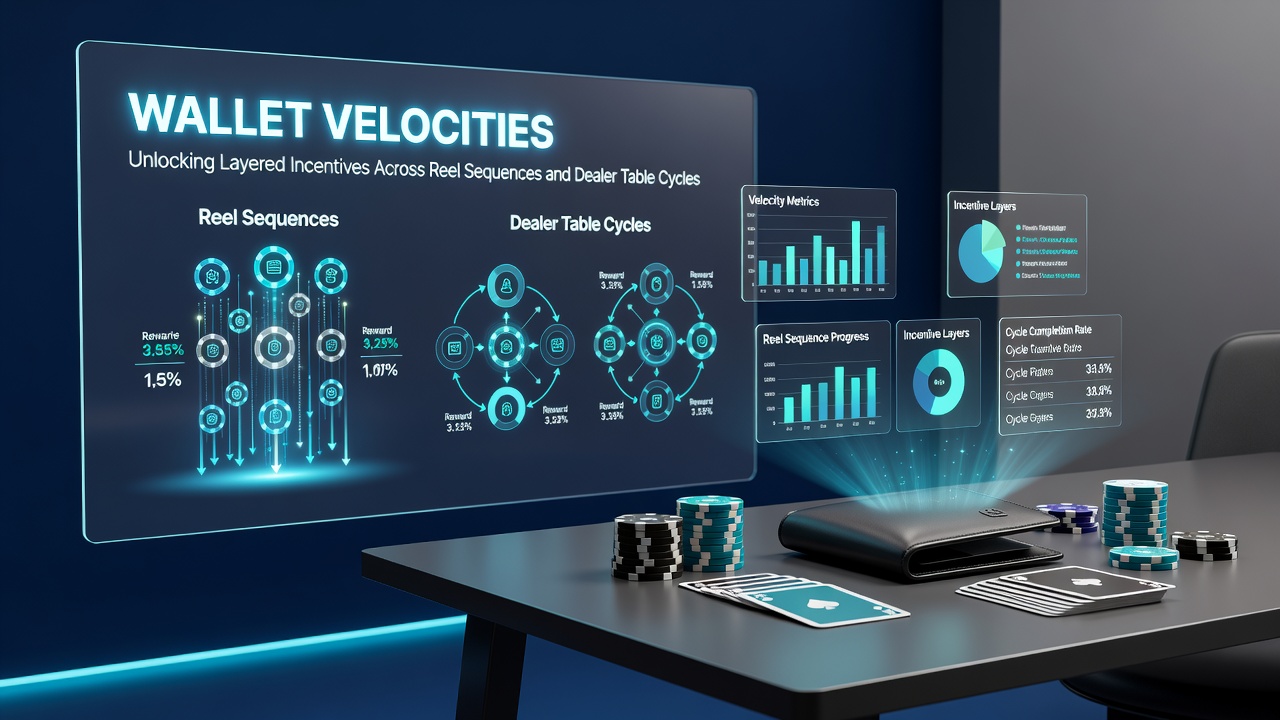
Dealer Table Cycles and Cross-Game Incentive Flow
Dealer table cycles follow structured rotation patterns, typically resetting every 10 to 15 rounds, and wallet velocity data feeds into these cycles by granting access to progressive side bets or enhanced payouts when prior reel activity meets velocity criteria. Industry organizations tracking North American operations note that such linkages reduce friction between game types, enabling players to maintain incentive stacks as they shift from reel sequences to table sessions.
Evidence suggests that operators implementing unified velocity tracking across both formats achieve tighter synchronization, with bonus layers from slots carrying forward to influence roulette wheel segments or card distribution modifiers during dealer cycles. What's interesting is how these systems adapt in real time, adjusting incentive depth based on cumulative transaction counts rather than isolated deposits.
Implementation Patterns in 2026
By August 2026 multiple platforms had standardized velocity protocols that bridge reel and table ecosystems through single wallet interfaces, and regulatory filings from Canadian provincial authorities show increased documentation requirements for these automated incentive pathways. Transaction records indicate that layered structures often begin with base wallet funding, progress through reel sequence unlocks, and culminate in dealer table cycle enhancements without requiring manual intervention at each stage.
Those monitoring operational data find that the approach supports sustained activity by aligning payment speeds with natural game rhythm resets, creating measurable continuity between slot reel progressions and live table sequences. External research from European gaming technology consortia further illustrates how velocity thresholds scale across different table formats while maintaining consistent incentive layering rules.
Conclusion
Wallet velocity systems continue to shape incentive distribution across reel sequences and dealer table cycles through automated, data-driven connections that respond to transaction timing and frequency. Reports from diverse regulatory and research bodies document the growing prevalence of these integrated mechanisms, which maintain separate game logics while sharing unified reward pathways. Observers tracking developments through 2026 note ongoing refinements in how velocity metrics translate into cross-format incentive layers without altering core gameplay structures.