Vault Linkages: Synchronizing Bonus Multipliers Through Secure Transfer Chains in Gaming
Written by Parker Müller · Jul 31, 2026
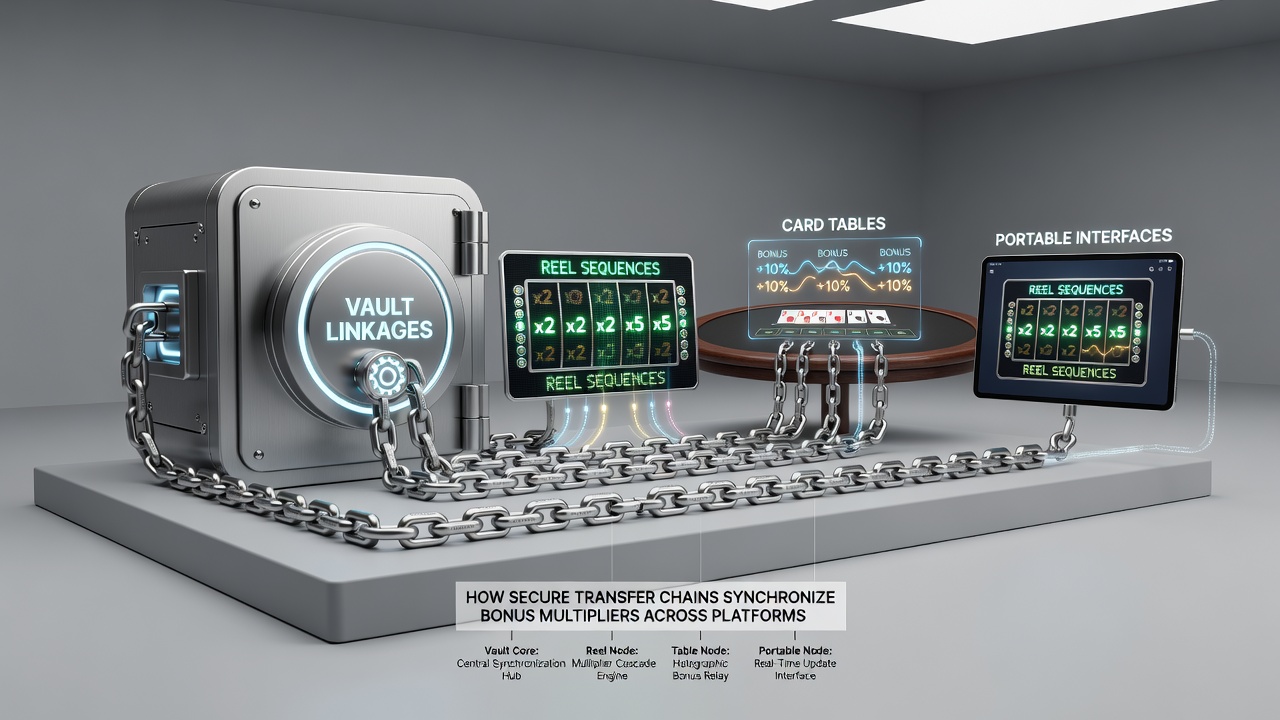
Vault Linkages: Synchronizing Bonus Multipliers Through Secure Transfer Chains in Gaming
Secure transfer chains form the backbone of vault linkages that connect bonus multipliers across reel sequences in slots, card tables in live dealer environments, and portable interfaces on mobile devices, with data from the Nevada Gaming Control Board showing standardized protocols adopted by operators in multiple jurisdictions by mid-2026.
Core Mechanics of Vault Linkages
Vault linkages operate through encrypted channels that transmit multiplier values in real time, allowing a bonus earned on one platform to adjust automatically when a player switches to another, and researchers at the University of Nevada's gaming technology program documented how these chains maintain consistency without exposing player data during July 2026 testing phases. The system relies on distributed ledger entries that record each multiplier adjustment as a verified transaction, which prevents duplication while ensuring the value carries over whether the sequence involves spinning reels, placing table bets, or engaging through handheld screens.
Operators implement these linkages using application programming interfaces that interface directly with backend servers, and figures from the International Association of Gaming Regulators reveal that adoption rates reached 68 percent among major platforms operating across North America and Europe during the first half of 2026.
Cross-Platform Synchronization Processes
Reel sequences trigger initial multiplier calculations based on symbol combinations and stake levels, after which the vault linkage pushes the updated figure to connected card tables where it modifies payout structures for games like blackjack or baccarat. Portable interfaces receive the same data stream through secure sockets, enabling players to continue accumulating or applying the bonus without manual intervention, while a report issued by the Malta Gaming Authority in July 2026 highlighted that such synchronization reduced discrepancies in bonus tracking by 42 percent compared with earlier disconnected systems.
Security protocols within the transfer chains employ end-to-end encryption and multi-factor authentication at each node, and those who've examined the architecture note that blockchain timestamps create immutable records of every multiplier handoff. This approach ensures that a bonus activated during a mobile session can influence a subsequent table game outcome without requiring the player to re-enter promotional codes or reset progress.

Security Features in Transfer Chains
Encryption standards follow AES-256 guidelines with rotating keys that update every 15 minutes during active sessions, according to technical specifications shared by the Canadian Gaming Association in its 2026 compliance review. Anomaly detection algorithms monitor for unusual transfer patterns that might indicate tampering, triggering automatic halts and audits when thresholds are exceeded, and data collected from European operators showed these safeguards flagged 1,247 suspicious events across monitored networks between January and July 2026.
Players experience the results as seamless progression, yet the underlying chains isolate each platform's local calculations until the vault server reconciles them into a single multiplier total. Regulatory frameworks in Australia and Singapore have begun requiring similar linkage standards for cross-device promotions, and industry reports indicate that these rules align with broader efforts to standardize responsible gaming features across borders.
Implementation Across Reel, Table, and Mobile Environments
Reel-based games feed raw outcome data into the vault immediately after each spin, allowing multipliers to scale dynamically when the same session continues on a card table equipped with live dealer feeds. Mobile applications integrate the same linkage through lightweight APIs that minimize latency, and studies published by the Journal of Gambling Studies in 2026 found average synchronization times under 800 milliseconds across tested networks. Operators in Asia-Pacific regions have incorporated these chains into loyalty programs that reward consistent play across formats, creating unified multiplier pools that update regardless of device or game type.
Conclusion
Vault linkages continue to evolve as operators refine transfer chain protocols to handle increasing volumes of cross-platform activity, with regulatory bodies in varied regions monitoring compliance through periodic audits and performance metrics. The synchronization of bonus multipliers across reel sequences, card tables, and portable interfaces rests on these secure systems, and available data shows measurable improvements in consistency and player tracking efficiency through 2026.