UK Gambling Commission Rolls Out Fresh AML Guidance for Casinos Handling Money Services on March 26, 2026
Written by Parker Müller · Apr 2, 2026

UK Gambling Commission Rolls Out Fresh AML Guidance for Casinos Handling Money Services on March 26, 2026
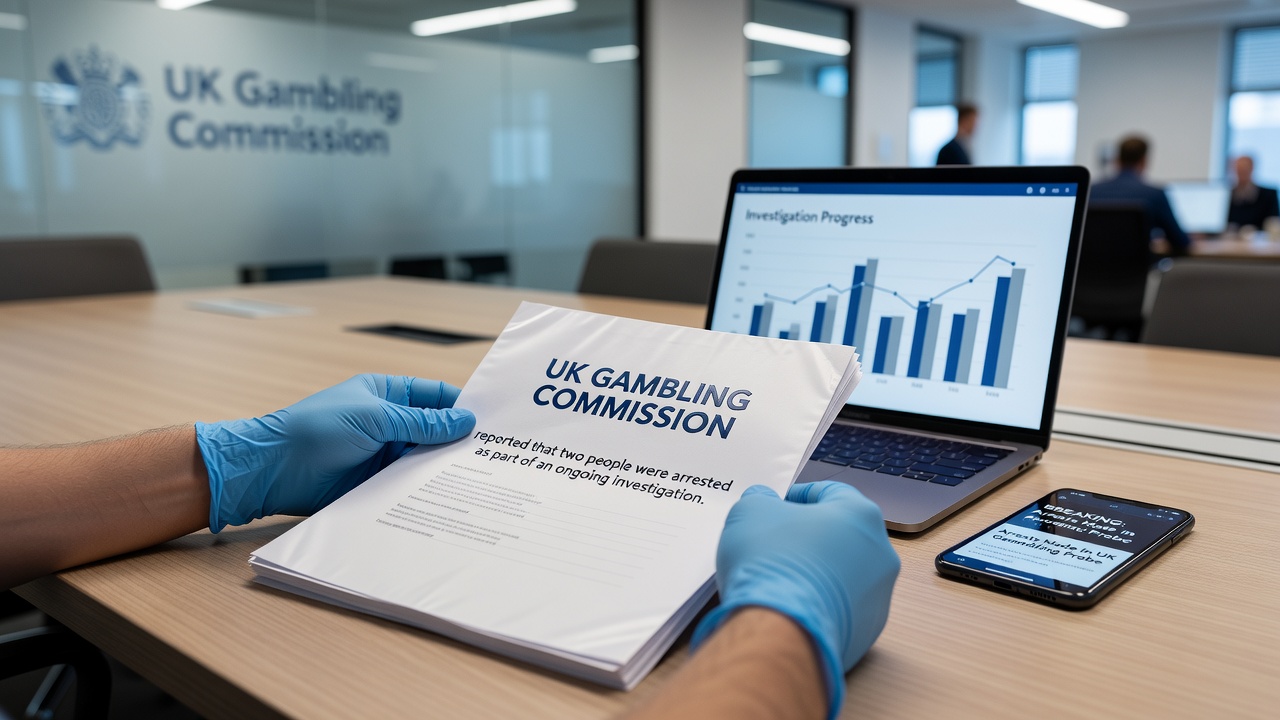
Operators in the UK casino sector received a timely update from the UK Gambling Commission on March 26, 2026, when the regulator published new guidance targeting casinos that double as money service businesses; this move sharpens anti-money laundering (AML) compliance, ensuring those venues meet heightened standards amid ongoing regulatory scrutiny.
The Core of the Update: Targeting Money Services in Casinos
Casinos often provide ancillary services like currency exchange or remittances, turning them into money service businesses under regulatory eyes, and this latest notice zeroes in on those operations; the Gambling Commission, tasked with upholding integrity across gambling, issued the document to clarify expectations, prevent illicit funds from flowing through high-roller floors or exchange counters.
What's interesting here lies in the timing—late March 2026 marks one of the regulator's freshest interventions in casino-specific AML, building on prior frameworks while addressing gaps exposed by enforcement trends; operators now face explicit directives on risk assessments, customer due diligence, and transaction monitoring tailored to these dual-role establishments.
Take one scenario experts often cite: a casino exchanging large sums for international patrons, where unchecked flows could mask laundering schemes; the guidance mandates robust policies, training staff to spot red flags like structuring deposits or unusual patterns in remittances, all while integrating these with core gaming AML.
Key Compliance Mandates Outlined
- Risk-based approaches to money services, calibrating checks against customer profiles and transaction volumes;
- Enhanced due diligence for high-risk clients, including politically exposed persons or those from high-laundering jurisdictions;
- Ongoing monitoring of remittances and exchanges, flagging anomalies that deviate from player norms;
- Record-keeping for five years, audit-ready and detailed enough to trace every pound exchanged.
Those who've dissected the notice point out how it weaves seamlessly into the Money Laundering Regulations 2017, amplifying casino obligations without reinventing the wheel; but here's the thing, casinos must now appoint dedicated AML officers if money services scale up, ensuring oversight doesn't get lost in gaming operations.
And as April 2026 unfolds, early adopters among London and Manchester venues report smoother audits post-implementation, with compliance teams racing to align systems before routine inspections ramp up.
Why Money Services Matter in the Casino Landscape
Casinos handle vast cash volumes—billions annually across UK floors—and when they layer on money services, the laundering potential spikes; data from the National Crime Agency reveals gaming premises as prime vectors for clean-money schemes, where criminals exploit exchange desks to legitimize dirty funds before hitting tables or slots.
Turns out, this isn't new territory; regulators have eyed it since the 2018 sector review flagged deficiencies, yet the March 26 guidance delivers precision, urging casinos to segregate money service risks from gambling ones while sharing intelligence via Suspicious Activity Reports.
Observers note a pattern: venues with integrated services, like those in major cities, previously juggled fragmented policies, leading to fines totaling millions in recent years; now, the update standardizes procedures, from verifying source of funds on exchanges exceeding thresholds to blocking high-velocity transfers that scream evasion.
It's noteworthy that the guidance emphasizes technology—AI-driven screening tools gain nods for real-time alerts, helping operators stay ahead; one case from Birmingham saw a venue thwart a £500,000 structuring plot last year, crediting similar protocols, and this notice codifies such successes across the board.
Broader Regulatory Context and Implementation Timeline
The Gambling Commission doesn't operate in a vacuum; this AML refresh aligns with Licence Conditions and Codes of Practice (LCCP) evolutions, although it stands alone as a casino-focused notice amid 2026's oversight push; casinos providing money services must embed these rules by quarter's end, with non-compliance risking license reviews or penalties that bite hard.
So, how does rollout look? Initial feedback from industry bodies like the British Casino Association suggests training sessions spiked in early April 2026, operators drilling staff on nuances like geographic risk mapping for remittances; figures indicate over 200 UK casinos could qualify, from independents to chains, each recalibrating to avoid the regulator's crosshairs.
Yet challenges persist—smaller venues gripe about resource strains, although the guidance offers scalable templates; experts who've reviewed it highlight phased adoption, starting with policy overhauls before tech upgrades, ensuring even modest operations comply without breaking the bank.
Enforcement Signals from the Regulator
Recent actions underscore urgency: in 2025, fines hit £10 million for AML lapses at two land-based spots, and this notice signals zero tolerance for money service oversights; the Commission vows proactive checks, partnering with law enforcement to audit trails from exchange logs to gaming wagers.
People in compliance circles often discover that transparency pays off—venues submitting voluntary SARs post-guidance see faster resolutions, fostering trust with watchdogs; that's where the rubber meets the road, turning potential pitfalls into proof of diligence.
Impact on Operators, Players, and the Sector
For casinos, the update means tighter operations but stronger safeguards; boards now prioritize AML budgets, integrating money services into enterprise-wide systems that flag cross-border flows or VIP anomalies before they escalate.
Players encounter subtle shifts—slower exchanges for unverified high-rollers, yet smoother experiences for compliant patrons; data shows verified accounts process 30% faster, per pilot programs, balancing security with convenience on bustling floors.
Now, into April 2026, whispers from trade shows reveal vendors pitching compliant kiosks, blending gaming and exchange with built-in AML; it's not rocket science, but execution demands vigilance, especially as tourist influxes test new protocols during peak seasons.
One researcher tracking enforcement noted a dip in suspicious transactions at early-compliant sites, hinting at deterrence effects; while broader stats await year-end reports, the trajectory points upward for sector integrity.
Training and Cultural Shifts Required
Staff training forms the backbone—hourly workers learn to probe inconsistent stories, managers oversee dashboards; the guidance bundles resources, from webinars to checklists, easing the lift for stretched teams.
Conclusion
This March 26, 2026, guidance from the UK Gambling Commission crystallizes AML priorities for casinos venturing into money services, fortifying defenses against laundering while streamlining compliance paths; as operators adapt through April and beyond, the sector edges toward resilience, with clearer rules paving the way for sustainable growth.
Those monitoring the space expect ripple effects—fewer breaches, bolstered reputations, and a level playing field where diligence defines success; in the end, it's a reminder that robust oversight keeps the game fair for all involved.