Transaction Options Fueling Incentive Designs for Digital Reels and Table Games
Written by Petra Lang · Jul 21, 2026
Transaction Options Fueling Incentive Designs for Digital Reels and Table Games
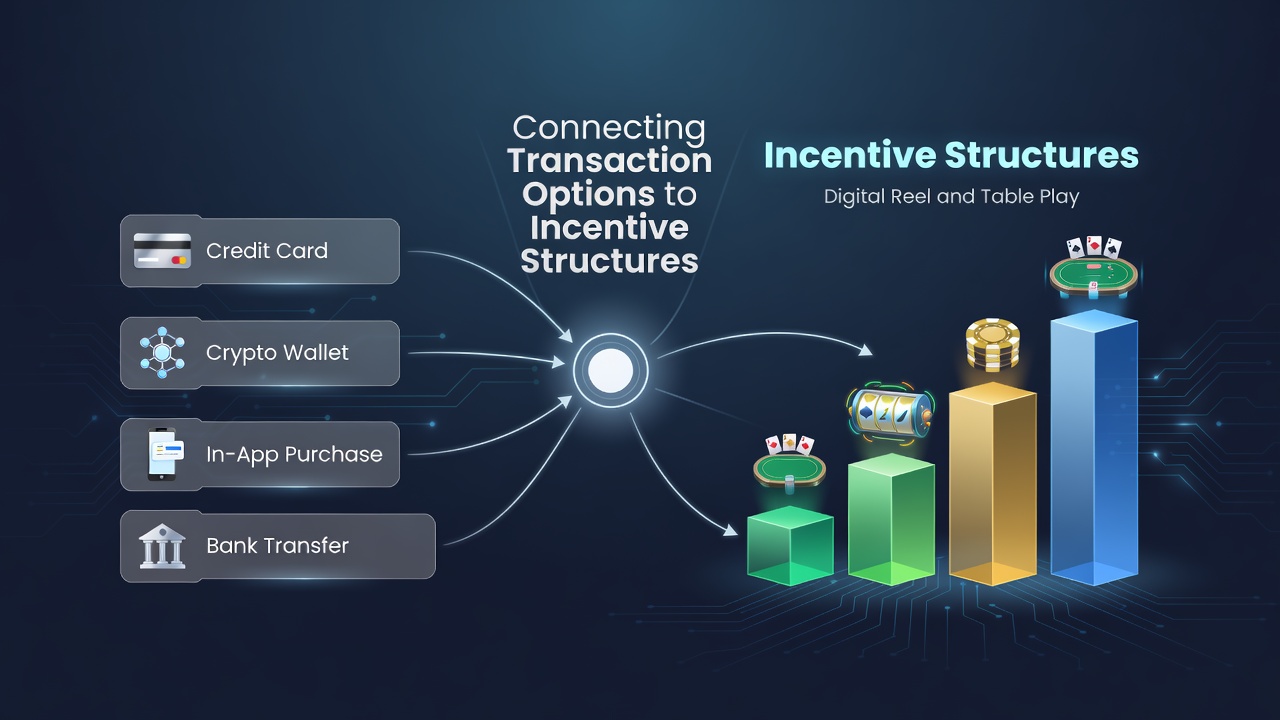
Payment systems in online gaming environments have developed direct ties to the way operators structure rewards for both reel-based slots and table game formats, with transaction speed, cost, and availability often determining which incentives become accessible to players. Data from industry analyses shows that operators adjust bonus eligibility based on deposit methods, creating layered reward systems that respond to funding choices rather than applying uniform promotions across all users.
Digital reel games rely heavily on rapid transaction processing to trigger time-sensitive free spin offers and multiplier bonuses, while table play formats such as blackjack and roulette connect payment options to cashback structures and loyalty point accumulation rates. Observers note that when instant funding methods process deposits within seconds, operators frequently unlock higher-tier incentives that slower options do not access, establishing a clear linkage between transaction performance and reward magnitude.
Payment Method Categories and Their Operational Impact
E-wallets, bank transfers, prepaid cards, and cryptocurrency options each carry distinct processing timelines that influence incentive availability in measurable ways. E-wallet deposits often clear immediately, allowing players to claim matched deposit bonuses or free spin packages without delay, whereas bank transfers that require one to three business days may restrict access to time-limited promotions tied to reel jackpots or table game tournaments. Research conducted by gaming analytics firms indicates that platforms using multiple payment rails see higher engagement rates when they calibrate bonus structures to match these processing differences.
Operators have implemented tiered incentive models where deposit speed directly affects the percentage match offered or the number of free spins awarded. For instance, cryptocurrency transactions processed through blockchain networks can complete in under ten minutes, enabling operators to attach progressive jackpot contributions or enhanced table game rakeback that traditional card payments do not receive. Figures from transaction monitoring services reveal that such differentiation appears most pronounced during promotional windows in July 2026, when seasonal campaigns aligned payment speed with multiplier events across both reel and table verticals.
Incentive Structures Across Reel and Table Formats
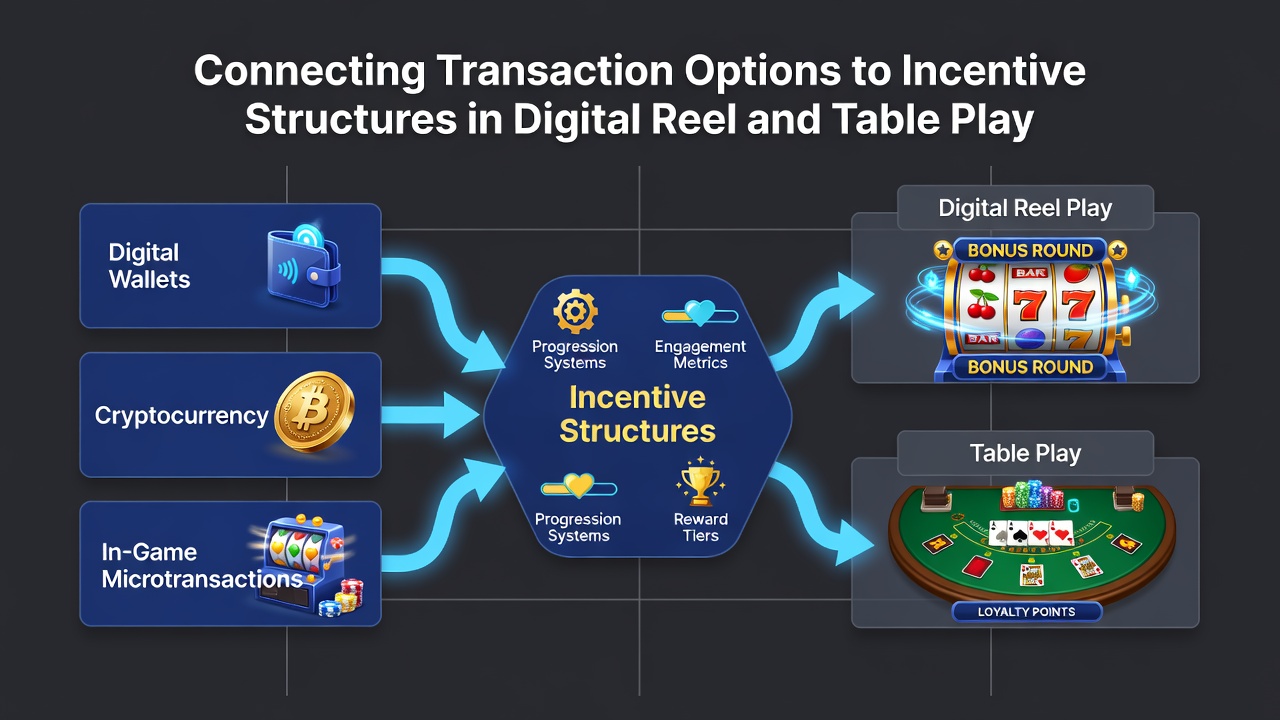
Reel games typically feature deposit-triggered free spin rounds, reload bonuses, and jackpot contribution multipliers that activate upon successful funding. Table play environments connect similar transaction data to cashback percentages on losses, loyalty tier progression, and tournament entry qualifications. Studies from academic research groups demonstrate that these structures operate through conditional logic built into platform software, where payment metadata determines which reward layer applies to each session.
One documented approach involves operators offering enhanced table game incentives exclusively to users who fund accounts via methods with zero-fee processing, while reel players receive additional spin bundles when they select faster rails. This creates parallel but distinct incentive pathways that reflect the different volatility profiles of slots versus table games. Data collected across multiple platforms shows consistent patterns where transaction cost reductions translate into higher effective reward rates for participants.
Technical Integration and Regulatory Context
Platform developers integrate payment gateways with bonus engines through API connections that read transaction attributes in real time. When a deposit arrives via a supported method, the system evaluates speed, fee structure, and verification status before assigning the corresponding incentive. According to reports from the American Gaming Association, these automated linkages have become standard practice among major operators seeking to optimize player retention metrics across game categories.
Regulatory frameworks in various jurisdictions require transparent disclosure of how payment choices affect promotional terms. Canadian provincial regulators, for example, mandate clear communication of any restrictions tied to funding methods, ensuring players understand eligibility criteria before committing deposits. Similar requirements appear in Australian state-level guidelines, where operators must document the relationship between transaction options and reward structures in their terms of service.
July 2026 saw several platforms update their systems to include real-time notifications explaining which incentives activate based on selected payment rails. These changes followed industry-wide discussions about player protection and informed decision-making, with operators adjusting interface designs to display bonus conditions alongside deposit buttons.
Observed Patterns in Player Behavior and Platform Design
Analytics from multiple gaming sites indicate that players who consistently use faster transaction methods tend to engage more frequently with both reel and table offerings when incentives scale accordingly. One study tracking user sessions found that platforms offering speed-based bonus differentiation recorded higher average deposit frequencies compared to those applying flat reward structures regardless of payment type.
Table game sections often emphasize cashback and rakeback tied to verified instant deposits, while reel sections highlight free spin quantities linked to the same funding speed. This parallel design allows operators to maintain distinct promotional identities for each vertical while sharing the underlying transaction infrastructure. Evidence from operational reviews suggests the approach reduces bonus abuse by tying rewards to verifiable, higher-value payment channels.
Conclusion
The connection between transaction options and incentive structures continues to shape how digital reel and table play environments distribute rewards. Payment speed, cost, and verification status function as key variables that operators encode into bonus logic, creating differentiated experiences across game formats. As platforms refine these linkages through updated software and clearer disclosures, the relationship between funding methods and promotional access remains a central element of online gaming operations.