Reward Pathways Linking Portable Device Access to Table Game Success Through Varied Funding Channels
Written by Petra Müller · Jun 23, 2026

Reward Pathways Linking Portable Device Access to Table Game Success Through Varied Funding Channels
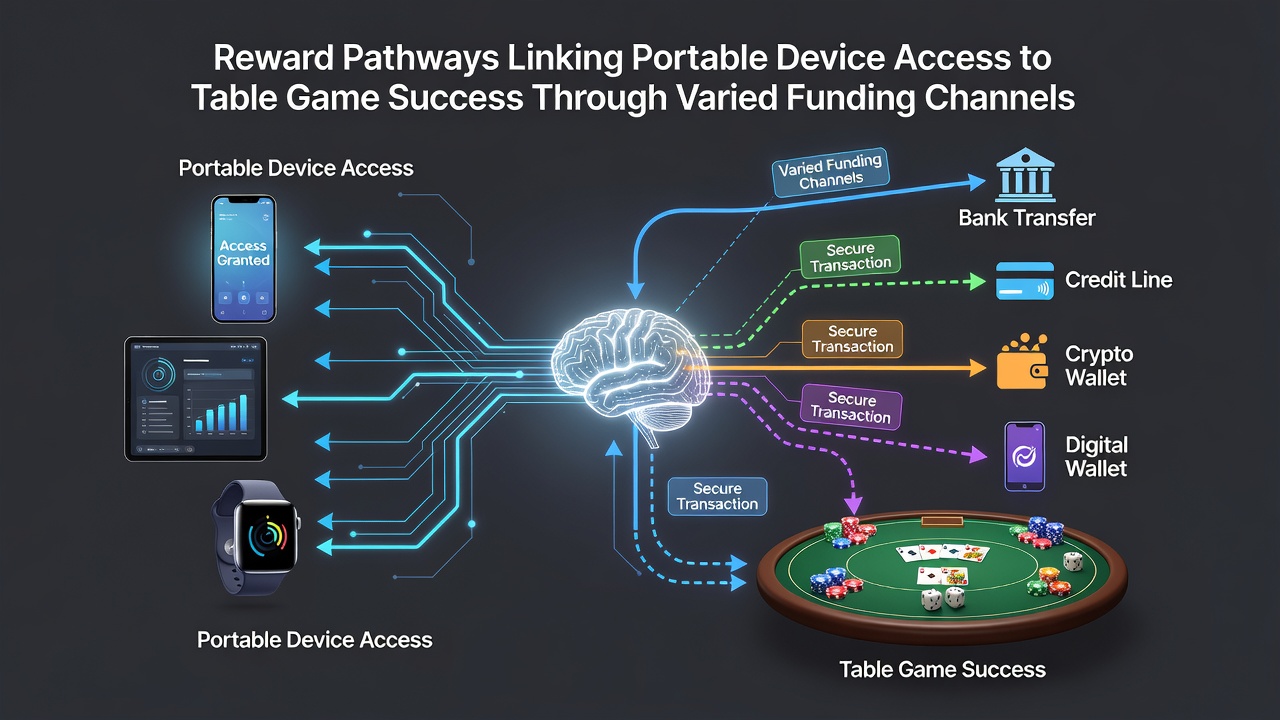
Portable devices have transformed how players engage with table games such as blackjack and roulette, creating direct connections between mobile access, structured reward systems, and multiple funding methods that support consistent participation. Researchers tracking player behavior note that these pathways often begin with seamless device connectivity, move through bonus structures tied to deposits, and culminate in measurable outcomes at live dealer tables. Data collected across multiple markets shows mobile sessions now account for a growing share of table game activity, with reward pathways functioning as bridges between initial funding actions and extended play sequences.
Mobile Connectivity as the Entry Point
Smartphones and tablets serve as primary gateways, allowing users to reach table game environments without fixed hardware requirements. Studies from academic institutions indicate that players who access platforms via portable devices demonstrate higher frequency of short, repeated sessions compared to desktop users. These patterns align with reward mechanisms that activate upon login or initial deposit, converting device convenience into tangible incentives such as matched funds or loyalty points redeemable at roulette or blackjack tables. Observers tracking industry metrics report that integration of geolocation features and push notifications further strengthens these connections, prompting users to return during peak promotional windows.
Reward Structures and Their Integration with Funding
Reward pathways operate through layered systems where funding choices directly influence bonus eligibility and table game progression. Varied channels including e-wallets, bank transfers, and prepaid options each carry distinct processing speeds and associated incentives, shaping how quickly players can transition from deposit to active table participation. Evidence from market analyses reveals that instant funding methods correlate with elevated redemption rates for free bet credits, which players then apply to live dealer formats. Those pathways become self-reinforcing when successful table outcomes generate additional loyalty tiers, unlocking higher-value rewards on subsequent mobile sessions.
Impact on Table Game Performance Metrics
Performance data gathered from operational platforms shows correlations between mobile-enabled reward access and improved retention at table games. Players utilizing multiple funding channels within a single session often maintain longer engagement periods, particularly when rewards reset or scale based on cumulative activity. In June 2026, reports compiled by research groups highlighted that diversified payment integration coincided with measurable upticks in blackjack hand volumes and roulette spin counts among mobile cohorts. These findings suggest that the flexibility of funding options reduces friction points, allowing reward pathways to operate more efficiently and support sustained table game involvement.
Cross-Regional Observations on Payment Diversity
Regulatory frameworks outside the UK provide additional context for how funding variety influences reward effectiveness. Documentation from the Nevada Gaming Control Board outlines standards for transaction transparency that operators must meet when linking deposits to bonus structures, ensuring pathways remain compliant while supporting mobile table game traffic. Similar guidelines appear in reports issued by the Australian Communications and Media Authority, where emphasis on secure funding channels coincides with documented growth in mobile roulette and blackjack participation. Players navigating these environments frequently encounter reward tiers that scale according to the payment method selected, creating differentiated success routes depending on speed and verification requirements.
Behavioral Patterns and Pathway Efficiency
Longitudinal tracking conducted by university research teams demonstrates that users who combine portable device access with multiple funding channels exhibit distinct progression through reward ladders. Initial deposits via faster methods tend to trigger immediate bonus activation, which players then deploy across table games before additional rewards accumulate. This sequence reduces downtime between funding events and active play, a factor researchers associate with higher overall success rates measured by completed hands or spins. What's interesting is how these patterns persist across demographic groups, suggesting the pathways function independently of specific player profiles when mobile access remains constant.
Future Trajectory of Integrated Systems
Industry projections indicate continued expansion of reward pathways that tie portable device metrics directly to table game outcomes through adaptable funding options. Emerging technologies such as embedded wallet features and real-time bonus adjustments are expected to tighten these connections further, allowing players to move from deposit confirmation to live dealer interaction with minimal interruption. Data compiled by European gaming associations points toward increased adoption of such integrated models, particularly in markets where mobile penetration rates continue rising. Those developments position varied funding channels as central components rather than peripheral tools within the broader reward ecosystem.
Conclusion
Portable device access, structured rewards, and diverse funding channels form interconnected pathways that support table game engagement across multiple jurisdictions. Available evidence indicates these elements interact through measurable mechanisms rather than isolated features, with mobile convenience amplifying the reach of bonus systems and payment flexibility sustaining participation. Continued monitoring by regulatory and academic bodies will clarify how these relationships evolve as technology and market conditions shift.