Payment Routes Linking Deposits to Bonus Activations in Roulette and Mobile Slots
Written by Petra Müller · May 29, 2026
Payment Routes Linking Deposits to Bonus Activations in Roulette and Mobile Slots
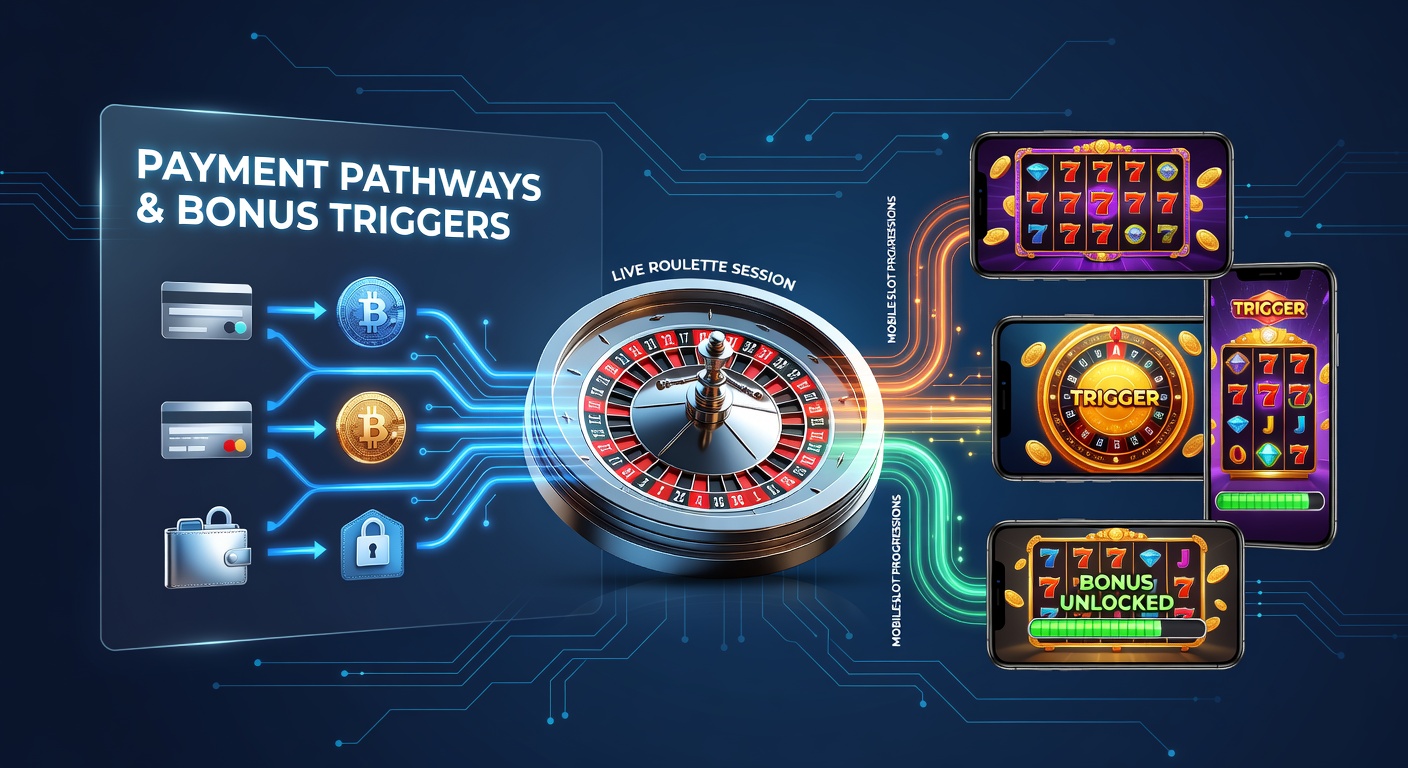
Payment methods have become central to how bonuses activate during live roulette sessions and mobile slot progressions, with operators structuring reward systems around deposit speed, transaction type, and verification processes. Data from the Nevada Gaming Control Board shows that instant funding options such as e-wallets often trigger bonus eligibility within seconds of a deposit, whereas traditional bank transfers require additional processing windows that delay access to promotional features. These differences shape player progression patterns across both table games and reel-based titles, as certain pathways align directly with bonus multipliers or free spin allocations.
Transaction Speed and Bonus Eligibility Mechanics
Live roulette platforms integrate payment verification steps that determine when a bonus activates, particularly during real-time betting sequences where timing affects stake multipliers. Mobile slot progressions follow similar logic, with many systems releasing free spins or cashback rewards immediately after a confirmed deposit through supported digital wallets. Observers note that operators adjust these triggers based on payment route reliability, creating layered bonus structures that reward faster methods while maintaining compliance with regional standards.
Research from the University of Nevada's gaming studies program indicates that payment pathways using cryptocurrency networks can reduce activation delays by up to 40 percent compared with card-based deposits in tested casino environments. This efficiency stems from blockchain confirmation processes that bypass intermediary banks, allowing bonus codes to apply automatically once funds clear. In contrast, slower routes often require manual review periods that postpone eligibility for progressive jackpot contributions tied to mobile slot play.
Regional Variations in Payment-Bonus Integration
European markets outside the UK demonstrate distinct approaches, with the Malta Gaming Authority reporting that e-wallet deposits account for over 65 percent of bonus-triggered sessions in monitored live roulette environments during early 2026. These figures reveal how operators tailor promotional triggers to local payment preferences, linking deposit volume directly to reward tiers that influence both table minimums and slot reel progressions. Australian regulators through the Australian Communications and Media Authority have documented parallel trends where instant bank apps accelerate bonus unlocks in mobile formats, reducing the gap between funding and gameplay activation.
Case Examples of Payment-Driven Triggers
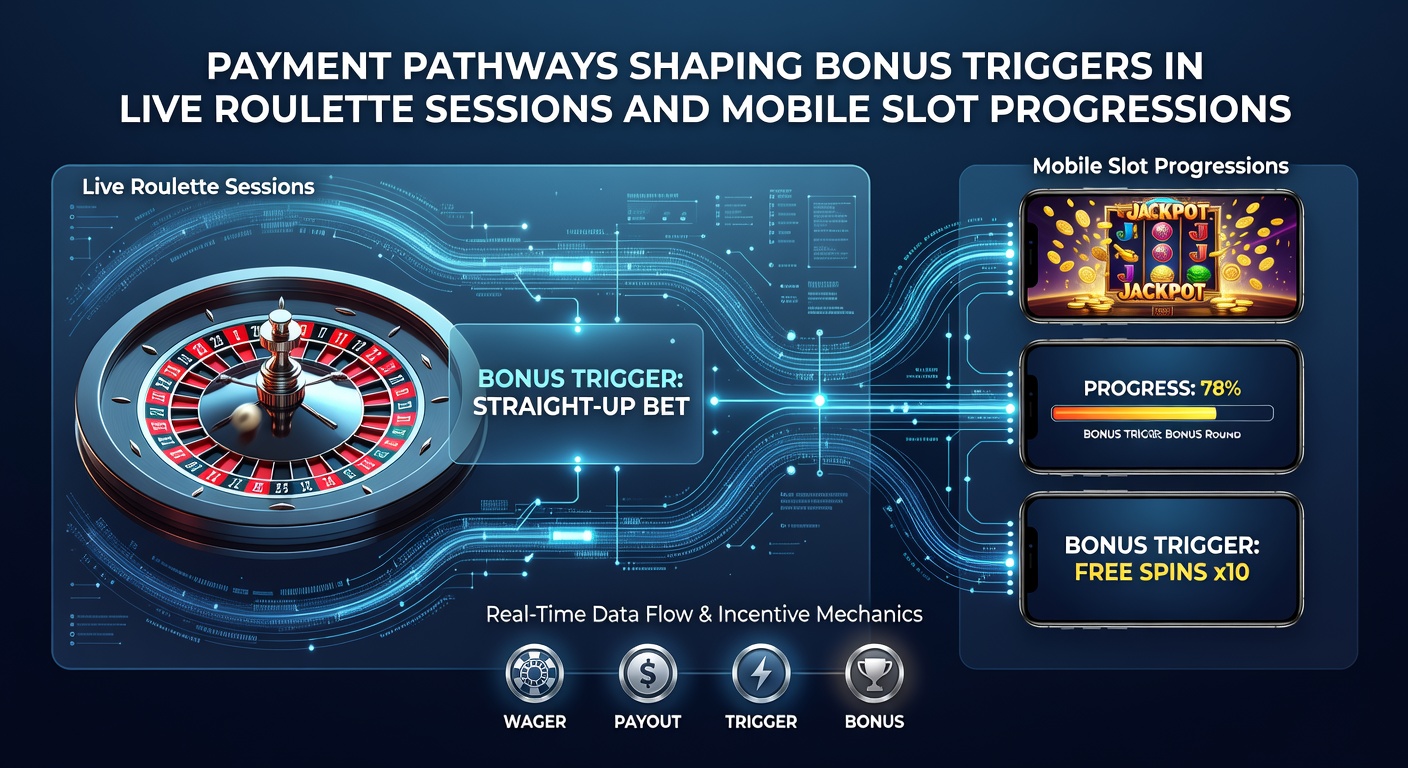
One documented pattern involves players using prepaid vouchers that automatically qualify deposits for roulette-specific cashback bonuses when processed through verified gateways. Industry reports from the American Gaming Association highlight instances where such pathways increased bonus uptake rates in live dealer settings by aligning transaction confirmation with session start times. Mobile slot progressions show comparable effects, as certain payment routes unlock additional reel multipliers upon deposit, extending play sequences without separate promotional claims.
Payment verification layers also affect jackpot contributions, with systems tracking how quickly funds move from external accounts into gaming wallets. Data compiled across multiple jurisdictions shows that routes incorporating two-factor authentication tend to stabilize bonus activation rates, minimizing interruptions during extended roulette sessions or multi-level slot progressions. These mechanics create predictable reward flows that operators refine based on transaction analytics collected through May 2026.
Integration Challenges and System Adjustments
Operators face ongoing adjustments when payment providers update their protocols, which can temporarily shift bonus trigger thresholds in both live and mobile environments. The European Gaming and Betting Association has tracked cases where API changes between e-wallet services and casino platforms required recalibration of bonus eligibility windows to maintain consistent player experiences. Such updates often coincide with seasonal peaks, prompting systems to prioritize certain routes that demonstrate higher reliability for activating progressive features in slot titles.
Verification requirements tied to payment methods further influence how bonuses propagate through gameplay. Systems that mandate identity checks before releasing rewards tend to favor established banking channels over newer digital options, even when the latter offer faster initial transfers. This creates a balance where speed and security requirements shape the overall bonus landscape across roulette tables and mobile reels alike.
Conclusion
Payment pathways continue to define bonus activation patterns in live roulette and mobile slot environments through differences in processing speed, verification steps, and regional compliance frameworks. Figures from multiple regulatory and research sources demonstrate how transaction routes directly connect deposit actions to reward eligibility, affecting session flow and progression mechanics. As payment technologies evolve, these connections remain central to how operators structure promotional systems in 2026 and beyond.