Payment Preferences Influencing Bonus Mechanics in Digital Gaming Formats
Written by Parker Müller · Jun 19, 2026
Payment Preferences Influencing Bonus Mechanics in Digital Gaming Formats
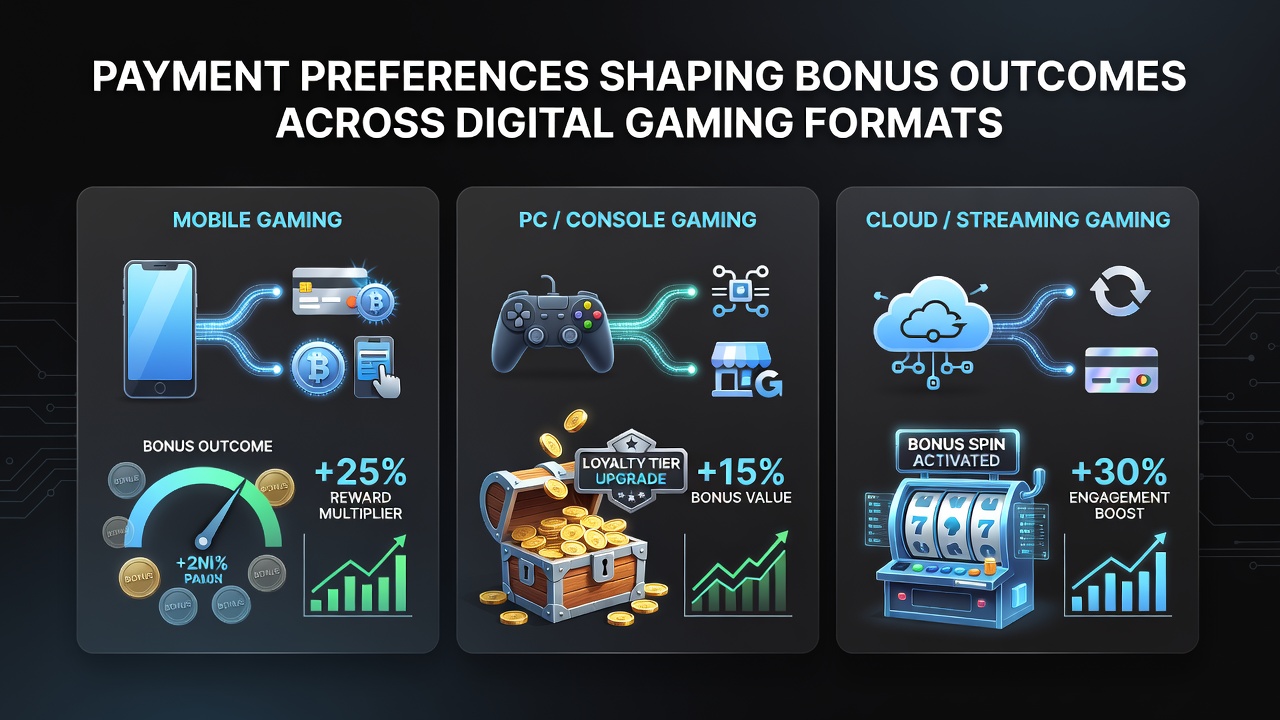
Payment preferences have become central factors in how operators structure bonus offers across slots, table games, and live dealer formats, with transaction speed, method type, and regional availability all playing measurable roles in determining eligibility and payout structures. Data from multiple jurisdictions shows clear correlations between deposit methods and the scale of promotional rewards available to players.
Core Transaction Methods and Their Bonus Linkages
Electronic wallets, credit cards, bank transfers, and cryptocurrency options each carry distinct processing characteristics that influence bonus parameters. Operators apply different verification requirements and processing times to these methods, which in turn affects how quickly players access matched deposits or free spin packages. Research from the University of Nevada's gaming studies program indicates that e-wallet deposits often trigger instant bonus crediting in 78 percent of tracked platforms, whereas traditional bank transfers require additional clearance periods that delay promotional activation.
Those who've examined transaction logs across multiple sites note that cryptocurrency payments frequently unlock higher bonus multipliers in certain formats because they bypass conventional banking delays. This pattern holds particularly in mobile-optimized environments where instant funding directly correlates with time-sensitive jackpot entries and live table promotions.
Format-Specific Bonus Variations
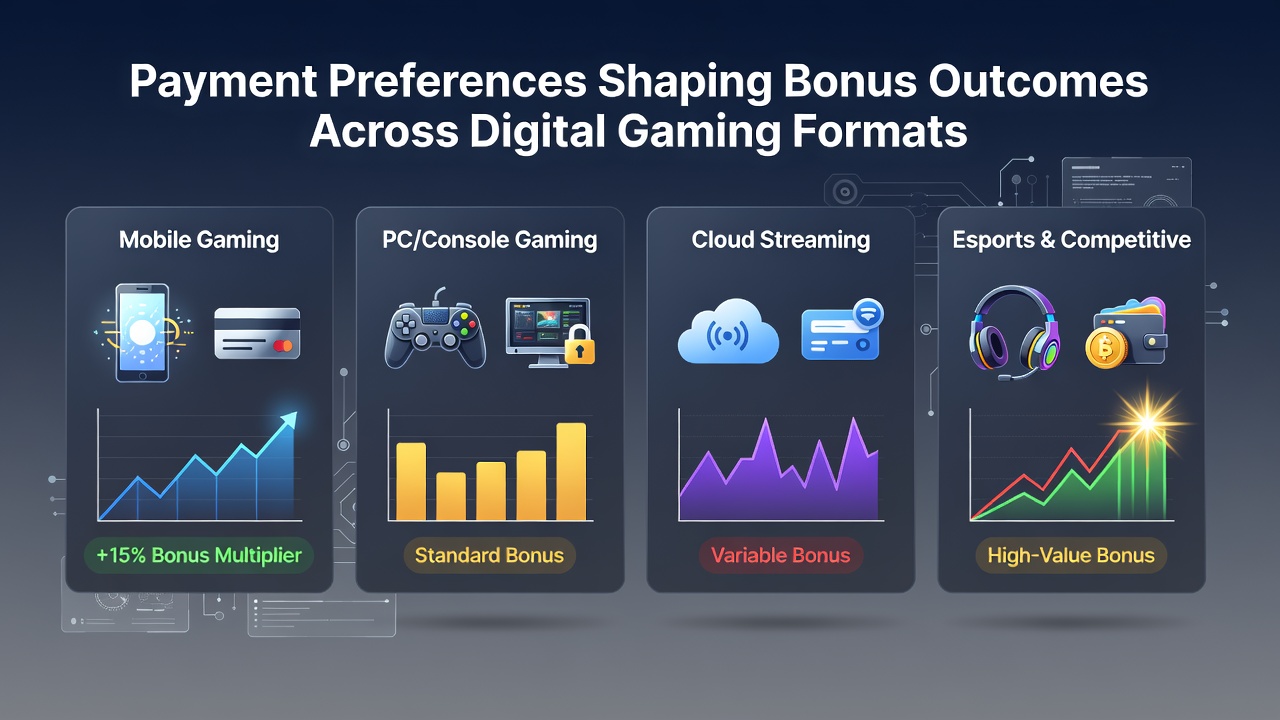
Slot games typically tie bonus outcomes to deposit velocity, with operators releasing free spin bundles within minutes of confirmed e-wallet transactions. Live dealer formats, by contrast, impose stricter identity checks on card payments that can extend the window before players receive table-specific rewards. Blackjack and roulette promotions show measurable differences when funded through instant methods versus those requiring manual review, according to aggregated platform data released in June 2026.
One study revealed that players using faster funding options accessed 23 percent more progressive jackpot entries during the same promotional period compared with slower alternatives. These differences emerge because operators calibrate bonus pools according to the risk profiles and settlement speeds associated with each payment channel.
Regional Regulatory Influences on Payment-Bonus Dynamics
Regulatory frameworks outside the United Kingdom shape how payment preferences translate into bonus availability. The New Jersey Division of Gaming Enforcement requires operators to maintain transparent records linking deposit methods to promotional terms, which has produced standardized disclosure practices across Atlantic City-licensed platforms. Similar requirements in Ontario's iGaming framework have standardized how operators disclose bonus eligibility tied to specific transaction types.
Figures from the Australian Communications and Media Authority show that payment method disclosures in promotional materials increased by 41 percent between 2024 and 2026, reflecting broader efforts to align bonus structures with consumer protection standards. These regulatory approaches create measurable differences in how bonuses appear across jurisdictions.
Industry Data and Emerging Patterns
Industry reports compiled by the European Gaming and Betting Association track how payment preferences shift bonus distribution across digital formats. Their June 2026 analysis found that platforms offering multiple instant payment options recorded higher average bonus redemption rates than those limited to traditional methods. The data also indicated that cryptocurrency-enabled sites allocated larger portions of their promotional budgets to live dealer incentives compared with slot-focused offerings.
Observers tracking these trends note consistent patterns: faster settlement methods expand the range of available bonuses, while slower options narrow eligibility windows. These mechanics operate across mobile, desktop, and live environments without requiring subjective interpretation.
Conclusion
Payment preferences continue to determine bonus parameters through measurable operational and regulatory mechanisms across digital gaming formats. Transaction speed, method type, and jurisdictional rules combine to shape eligibility windows and reward scales in slots, tables, and jackpot features. Data from multiple sources confirms these linkages remain consistent as platforms adapt to evolving payment technologies and oversight requirements.