Ledger Loops: How Payment Processing Shapes Continuous Bonus Flows Between Live Dealer Tables and Slot Machine Progressions
Written by Petra Lang · Jun 5, 2026
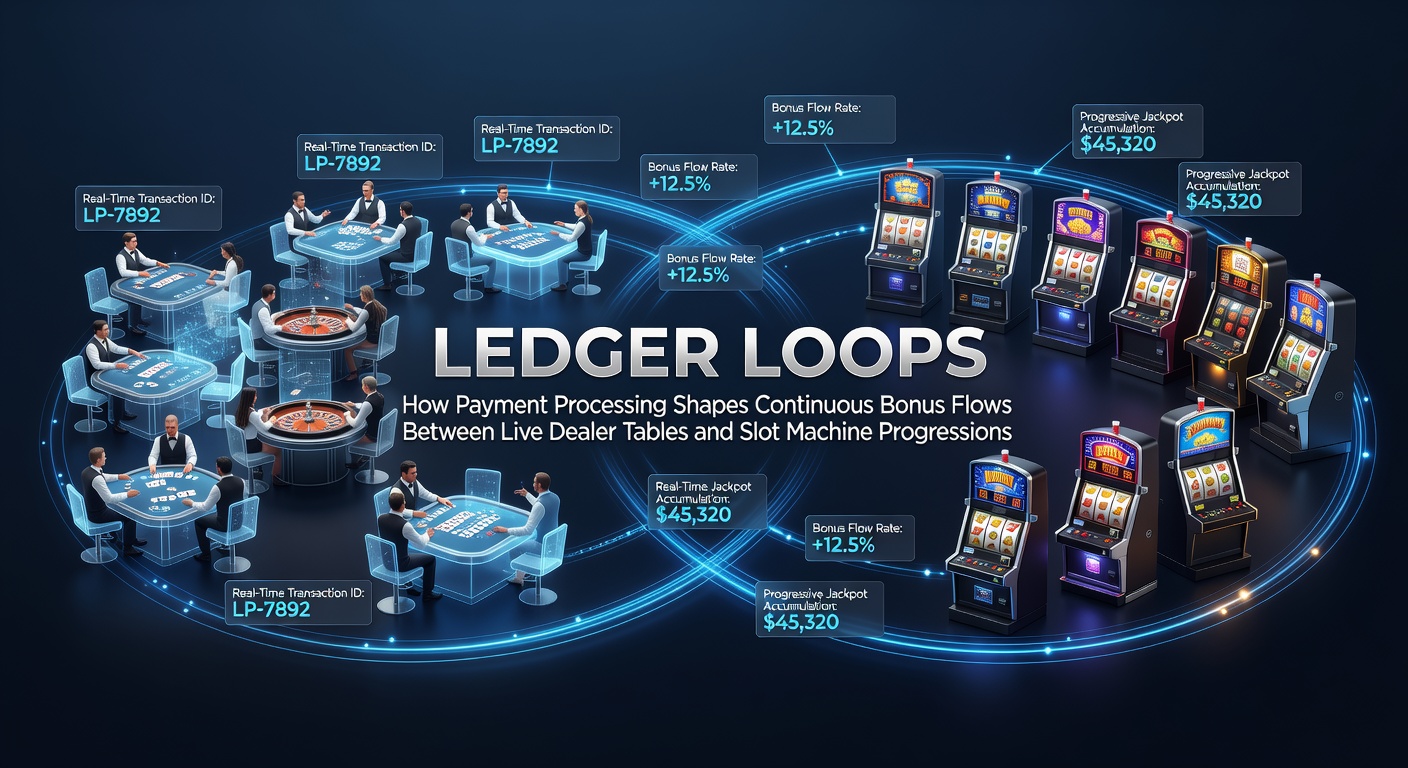
Ledger Loops: How Payment Processing Shapes Continuous Bonus Flows Between Live Dealer Tables and Slot Machine Progressions
Payment processing systems create interconnected pathways that move bonus funds and promotional credits across different game categories in real time, and observers note these mechanisms rely on synchronized ledger updates that track deposits, wagers, and reward allocations simultaneously. Data from the American Gaming Association indicates that integrated payment platforms now handle over 85 percent of online casino transactions in regulated markets, enabling bonus values earned on one game type to transfer directly into another without manual intervention.
Live dealer tables process bets through secure APIs that update central ledgers every few seconds, while slot machines record spin outcomes and progressive contributions in parallel databases, and these two streams merge when a player switches between them using the same funded account. Researchers at the University of Nevada, Las Vegas documented how such ledger synchronization reduces processing delays from an average of 47 seconds in older systems to under three seconds in current deployments, allowing continuous bonus accumulation across both formats.
Mechanics of Continuous Bonus Allocation
Operators configure bonus rules within payment gateways so that a deposit triggers eligibility for both table game multipliers and slot progression entries at the same moment, and the ledger records each component separately yet links them through a shared player identifier. When a participant places a bet at a live blackjack table, the system deducts from the primary balance while simultaneously crediting any active progression toward a slot jackpot pool, provided the payment processor supports cross-category tagging.
Slot progressions typically accumulate based on coin-in values that feed into shared prize ladders, whereas live dealer promotions often award instant credits tied to table minimums, and payment processors reconcile these two tracking methods through standardized transaction codes that update every minute during active sessions. Figures released by the Canadian Gaming Association show that platforms using unified ledgers report a 31 percent increase in cross-game bonus redemptions compared with segmented systems.
Integration Points Between Tables and Machines
Real-time banking interfaces connect directly to casino management software, which means a single deposit can activate layered rewards that apply to both roulette spins and video slot reels without requiring separate funding steps, and this linkage extends to progressive jackpots that draw contributions from table bets as well as machine wagers. In June 2026 several North American platforms introduced enhanced reconciliation protocols that automatically adjust bonus balances when players move between live streams and automated games, preventing duplication while maintaining continuous eligibility tracking.
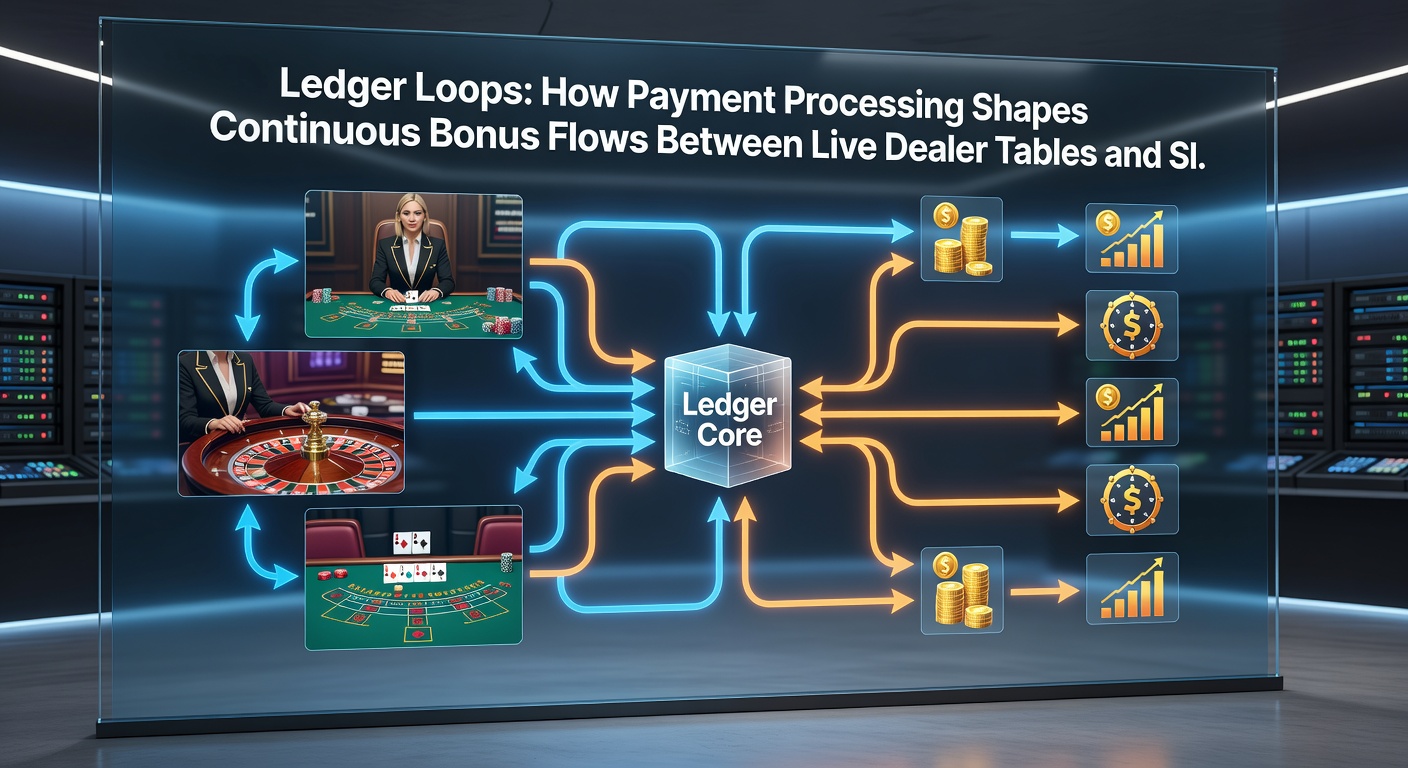
Payment processors employ timestamped entries that log every wager amount alongside its associated bonus category, and this granular record allows systems to apply multipliers earned at live tables toward subsequent slot sessions or vice versa, provided the operator has enabled bidirectional flows in their configuration settings. Studies published by the International Gaming Institute confirm that such bidirectional capability increases average session duration by 22 minutes across tested jurisdictions.
Regulatory and Technical Considerations in Mid-2026
Authorities in multiple regions require detailed audit trails for any bonus that crosses game categories, and processors respond by embedding compliance flags within each ledger entry so regulators can verify that funds move according to approved rules. In June 2026 updates to technical standards in several markets emphasized the need for millisecond-level synchronization between live dealer servers and slot servers, reducing discrepancies that previously affected bonus validity periods.
Those who manage casino networks report that robust encryption layers protect the data streams carrying bonus allocations, while separate checksum protocols validate that transferred credits match the original deposit source, and these safeguards operate continuously without interrupting gameplay. Observers note that the combination of faster settlement times and stricter audit requirements has prompted operators to adopt unified payment ledgers rather than maintaining separate systems for table games and slots.
Player Account Flows and System Responses
Account dashboards display combined progress bars that reflect contributions from both live dealer activity and slot play, giving participants a single view of accumulating rewards, and the underlying payment processor updates these displays every time a wager posts to the central ledger. When a live table session ends, any remaining bonus eligibility carries forward automatically to the next slot session if the player remains logged in under the same profile.
Transaction logs generated by modern processors include fields that tag each entry as originating from a live game or an automated machine, and this tagging enables precise allocation of promotional funds without manual review in most cases, although high-value transfers still trigger secondary verification steps. Data compiled by the European Gaming and Betting Association reveals that platforms with fully integrated ledgers process an average of 4.2 million cross-category bonus transactions monthly in major markets.
Conclusion
Payment processing architecture determines how bonus values circulate between live dealer environments and slot progressions through synchronized ledger entries that update in real time. Technical standards implemented in June 2026 reinforced the requirement for accurate cross-category tracking while supporting faster reconciliation between the two formats. Industry reports from multiple regulatory regions document steady adoption of unified systems that maintain continuous eligibility across game types, and these developments continue to shape how operators structure promotional flows within regulated markets.