Currency Currents: Exploring How Varied Transaction Routes Shape Free Play Opportunities in Digital Card and Wheel Games
Written by Petra Müller · Jun 14, 2026
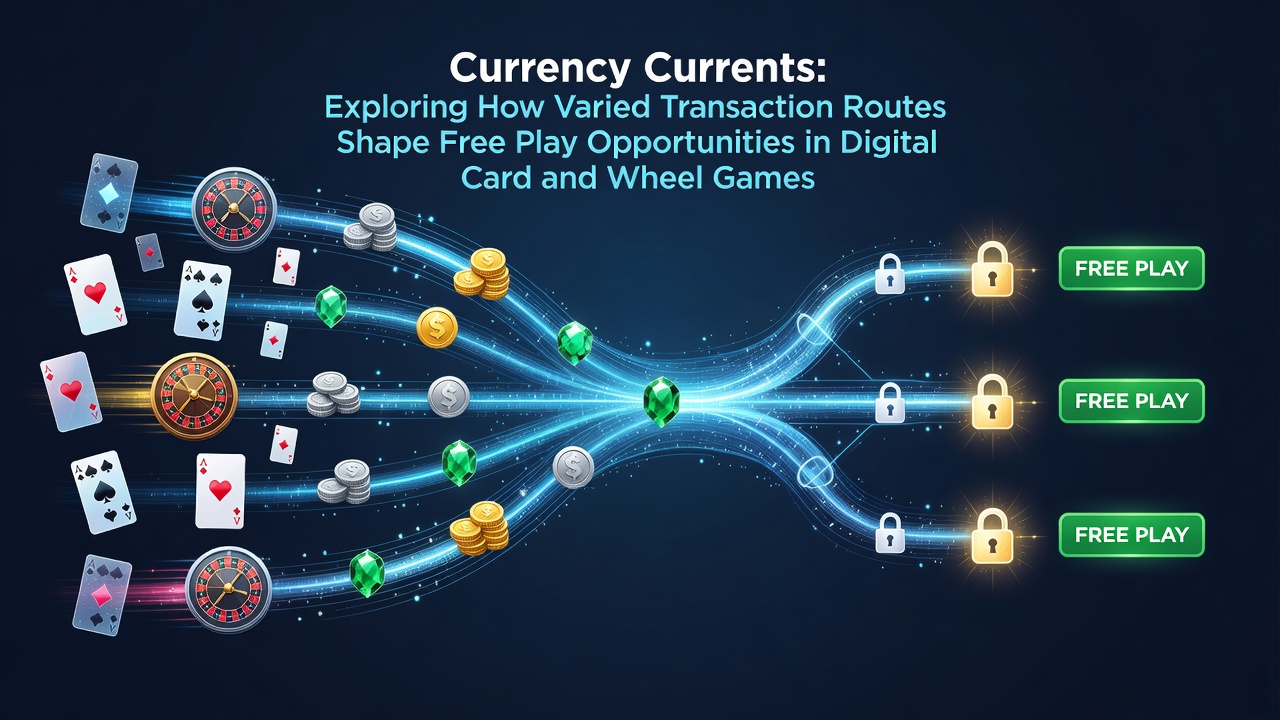
Currency Currents: Exploring How Varied Transaction Routes Shape Free Play Opportunities in Digital Card and Wheel Games
Payment pathways in digital gaming environments determine which free play promotions become accessible to participants in card and wheel formats. Transaction routes encompass bank transfers, e-wallets, cryptocurrency options, and prepaid cards, each carrying distinct processing speeds and verification requirements that operators tie directly to bonus eligibility. Data from industry reports shows these differences affect how quickly users unlock free spins or matched play credits on platforms offering blackjack, baccarat, and roulette variants.
Payment Methods and Their Technical Pathways
Bank transfers route funds through traditional financial networks, which often involve multi-day settlement periods before operators release associated free play credits. E-wallet services compress this timeline to minutes by handling verification internally and then forwarding cleared amounts to gaming accounts. Cryptocurrency transactions operate on blockchain ledgers that record confirmations within blocks, allowing some platforms to credit free play balances almost immediately after network approval. Observers note that these timing variances prompt operators to segment promotional structures according to the chosen route.
Studies conducted by research teams at the University of Nevada, Las Vegas have tracked how route selection correlates with bonus activation rates across thousands of user sessions. The findings indicate faster routes frequently pair with higher-value free play packages in digital card rooms, while slower methods restrict users to smaller initial offers until full clearance occurs. Wheel game sections show similar patterns, where roulette players using instant routes gain access to extended free spin rounds tied to deposit thresholds met within the same hour.
Card Game Environments and Route-Based Free Play
Digital card platforms structure free play around deposit routes because verification protocols differ by method. Blackjack tables often require cleared funds before distributing matched play credits or no-deposit bonuses, which means users selecting multi-day bank routes encounter delays before strategy practice sessions begin. Those employing e-wallets bypass intermediate holds, enabling quicker entry into promotional tournaments that award additional free hands. Baccarat variants follow comparable mechanics, with operators adjusting the number of complimentary rounds based on the speed of incoming transactions.
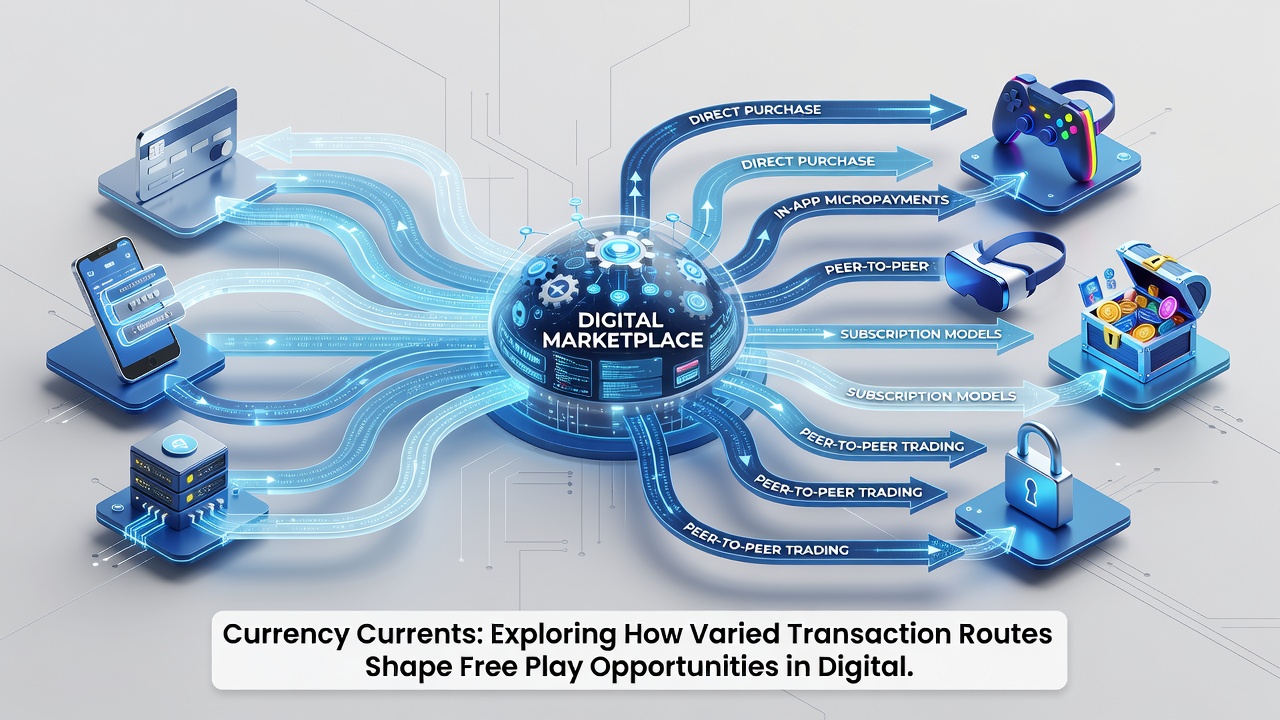
One documented case involved a North American operator that adjusted its free play matrix in response to transaction data collected through June 2026. Players routing funds via cryptocurrency received immediate access to strategy-specific bonuses on card tables, whereas bank transfer users waited for manual reviews. This differentiation appears in aggregated statistics published by the American Gaming Association, which records route-specific bonus redemption rates across multiple jurisdictions.
Wheel Games and Transaction Speed Correlations
Roulette wheels in online settings connect free play opportunities to deposit velocity because operators must confirm funds before releasing spin credits. Faster routes such as certain e-wallets allow players to meet promotional wagering thresholds within shorter windows, unlocking progressive jackpot entries or extended free spin sequences. Slower routes impose cooldown periods that push wheel game participants toward standard play until verification completes. Research from the Alcohol and Gaming Commission of Ontario demonstrates measurable differences in free play uptake when transaction routes vary by processing duration.
Operators integrate these mechanics into loyalty frameworks where accumulated free plays scale according to average route efficiency per user account. Wheel game sessions therefore reflect payment choices made earlier in the funding cycle, creating observable clusters of promotional activity around peak hours for instant methods. Figures released through industry tracking services reveal that cryptocurrency routes generate higher volumes of free spin redemptions on roulette interfaces compared with traditional wires during equivalent periods.
Regulatory and Operational Adjustments Across Regions
Regional authorities outside the United Kingdom have examined how transaction routes intersect with responsible gaming measures. The Malta Gaming Authority issued updated guidance in early 2026 requiring operators to disclose route-specific bonus terms clearly within account interfaces. Similar reviews in Australian jurisdictions have prompted platforms to standardize free play allocation timelines regardless of funding method, reducing discrepancies that previously favored instant routes. These adjustments maintain operator flexibility while ensuring transparency around eligibility criteria tied to payment pathways.
Industry organizations such as the European Gaming and Betting Association have compiled comparative data showing that diversified transaction options expand overall free play participation when operators align promotional rules with route capabilities. Card and wheel game segments benefit from these alignments because users gain predictable access to practice credits once funding clears through their selected channel.
Conclusion
Transaction route selection directly influences the timing and scale of free play opportunities available in digital card and wheel games. Faster methods consistently unlock earlier access to matched credits and spin packages, while slower routes introduce verification delays that postpone promotional engagement. Reports from academic and regulatory bodies document these patterns across multiple markets, confirming that payment infrastructure shapes promotional structures without altering core game mechanics. Operators continue refining route-based rules in response to regional guidance and user data collected through mid-2026.