Charting Payment Pathways Through Mobile Reel Bonuses and Live Dealer Incentives
Written by Petra Lang · Jun 12, 2026
Charting Payment Pathways Through Mobile Reel Bonuses and Live Dealer Incentives
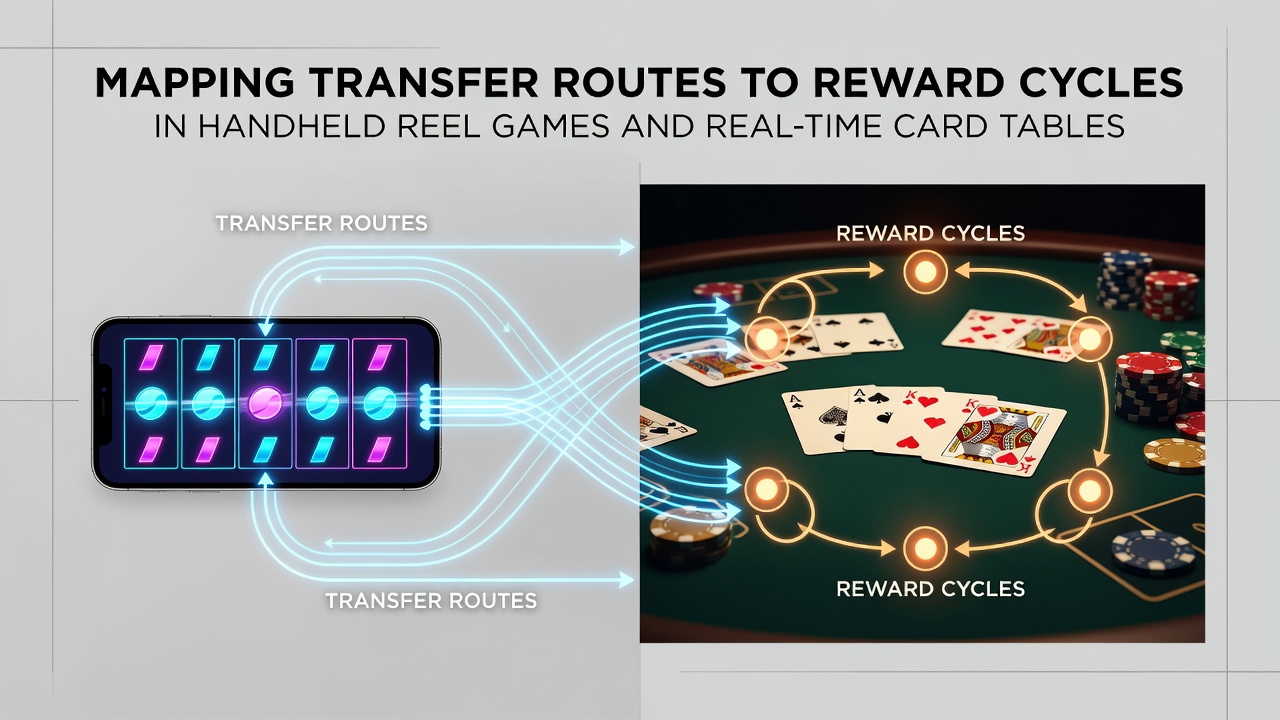
Payment systems in handheld reel games link directly to reward mechanisms that activate spins, multipliers, and progressive jackpots, while real-time card tables route deposits into dealer interactions, side bets, and loyalty points that build across sessions. Observers note these pathways operate through integrated processors that verify funds before distributing credits to game interfaces, creating measurable cycles where initial transfers trigger sequential rewards.
Core Mechanics of Transfer Integration
Developers design mobile reel platforms so that deposits pass through verification layers before reaching the reels, which then allocate portions of those funds into free spin pools or bonus rounds based on predefined algorithms. Real-time card tables follow similar routes but direct transfers toward live dealer interfaces, where players access enhanced betting options once balances update in real time. Data from industry reports shows these integrations reduce latency between funding and play, allowing reward cycles to begin within seconds of transaction completion.
Those who've examined transaction logs find that handheld devices often use tokenization to secure routes, shielding card details while mapping each transfer to specific reward triggers such as reel alignments or card combinations. In contrast, live table systems frequently incorporate geolocation checks that confirm player eligibility before unlocking cycle-based promotions tied to table minimums.
Patterns Observed Across Platforms
Research indicates reward cycles in reel games tend to cluster around deposit thresholds, where amounts above certain levels unlock layered bonuses that carry over to subsequent sessions. Live card environments display different patterns, routing transfers into loyalty tiers that accumulate points redeemable for table-side perks during peak hours. A study conducted by the University of Nevada, Reno gaming analytics group revealed consistent mapping between payment speed and cycle frequency across both formats.
Take one operator who implemented unified ledgers connecting mobile reels to live tables, resulting in players moving rewards earned on handheld devices directly into card game sessions without additional transfers. This approach creates seamless pathways that extend play duration while maintaining separate accounting for each game type.
Technical Routing Structures
Backend systems employ API connections that translate transfer confirmations into game-specific credits, ensuring reel bonuses activate automatically and card table incentives appear as visual overlays for dealers and players alike. June 2026 updates from the Nevada Gaming Control Board highlighted standardized protocols for these mappings, emphasizing audit trails that track every route from deposit to reward distribution.
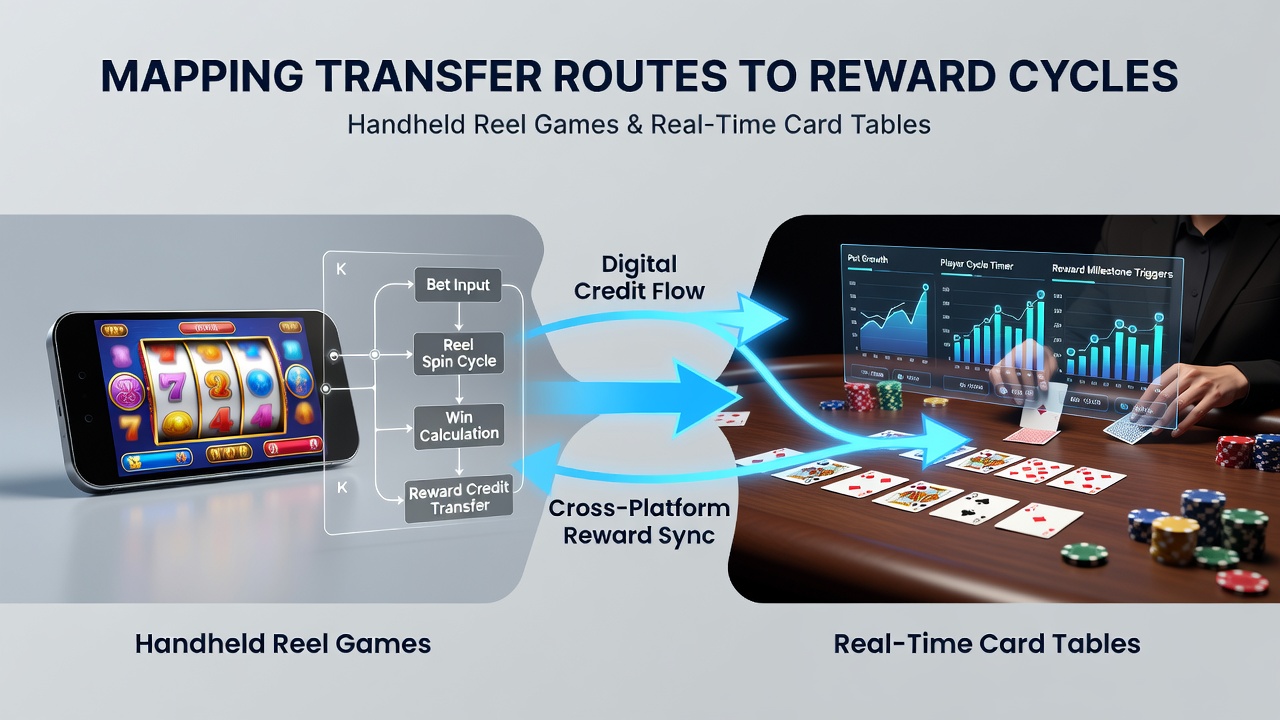
Multi-factor authentication sits at key junctions along these routes, verifying identity before rewards enter circulation. Experts have observed that handheld platforms prioritize speed in these checks to maintain momentum in spin cycles, whereas live tables balance speed with regulatory requirements around table integrity.
Cross-Format Reward Movement
Players frequently discover that rewards generated in mobile reels transfer to live card tables through shared wallets, allowing accumulated free spins to convert into table credits under specific conversion rates. According to findings from the American Gaming Association's 2025 technology survey, such cross-format movement accounts for increased session continuity when payment routes remain uninterrupted.
Yet platform variations exist, with some systems requiring manual mapping steps before rewards reach the intended game. Observers note these steps often appear in regions with stricter oversight, where additional verification layers sit between transfer and reward activation.
Future Mapping Developments
Industry analysts track emerging standards that aim to standardize transfer-to-reward mapping across devices, reducing fragmentation between handheld and live environments. Reports from the Canadian Gaming Association point to pilot programs testing unified routing frameworks expected to expand by late 2026.
These developments focus on encryption improvements and real-time reconciliation that keep reward cycles aligned with actual fund movements. Data shows platforms adopting such measures experience fewer discrepancies in player balances across game types.
Conclusion
Mapping transfer routes to reward cycles reveals structured connections between funding actions and gameplay outcomes in both handheld reel games and real-time card tables. These pathways continue evolving through technical refinements and regulatory guidance from multiple jurisdictions, shaping how rewards distribute across mobile and live formats without altering core game mechanics.